
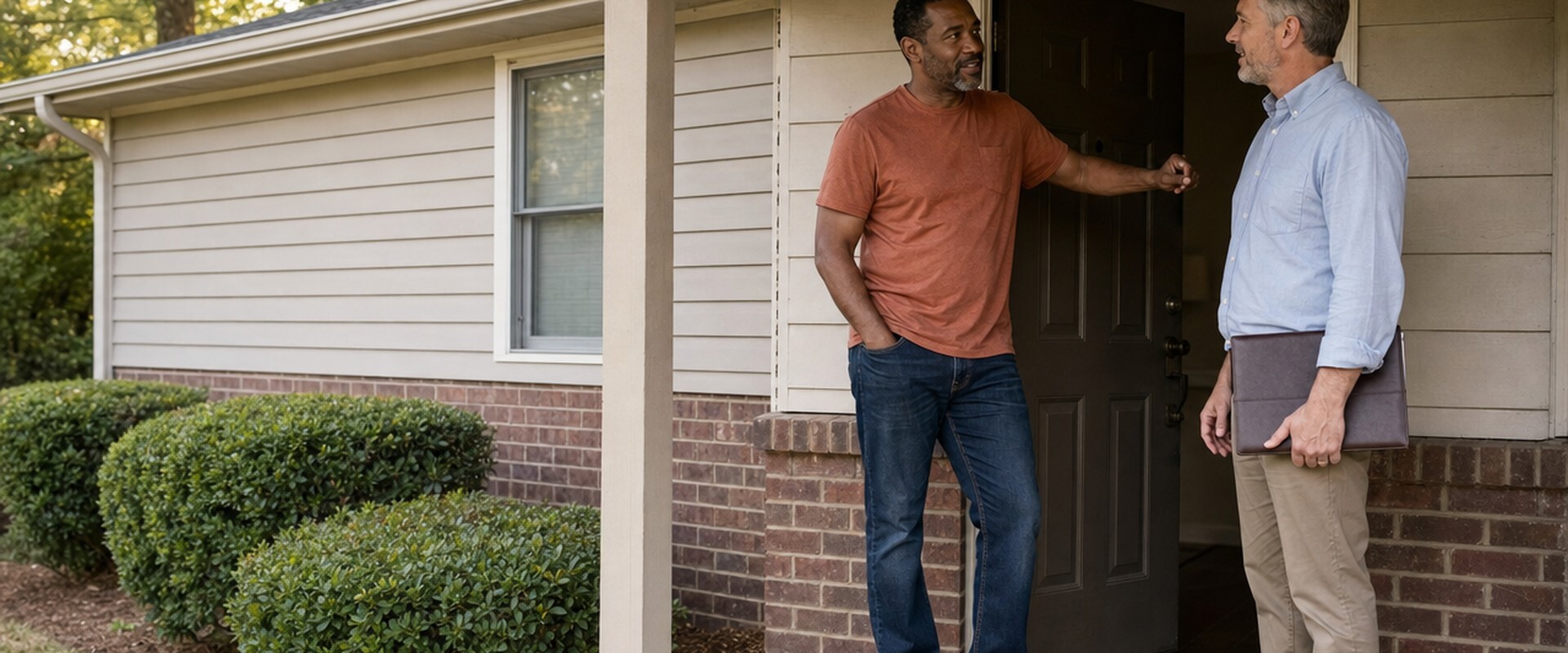

How to sell a house with a tenant still living there
Published October 12, 2026
Key takeaways
 If you sell a house with a tenant in place, the lease typically carries over to the new owner.
- Fixed-term leases typically run through their end date, while month-to-month agreements can usually end with proper written notice.
- Cash home buyers are often investors who are comfortable with a tenant in place, though cash offers typically come in below open-market value.
Selling a house with a tenant in it works differently depending on who you’re selling to. A buyer who wants to move in will need to know when the home is available. An investor or cash home buyer purchasing for rental income may see the existing lease differently. Here’s how the different paths typically work.
What happens to the lease when you sell
When you sell a property, the lease carries over to the new owner, who steps into your shoes as the landlord. That’s true whether you have a fixed-term lease (one with a set end date) or a month-to-month agreement.
A fixed-term lease continues through its end date. If your tenant has 8 months left on a year-long lease, the new owner is typically bound by that lease for the remaining 8 months. In most states, a fixed-term lease runs through its end date regardless of who owns the property.
A month-to-month agreement gives both sides a little more flexibility. Most states allow a landlord to end a month-to-month arrangement with proper written notice, often somewhere between 30 and 90 days depending on where the property is. If you want the home vacant before closing, this path is usually more straightforward.
Whatever type of agreement is in place, most states require you to give tenants advance notice before entering the home for showings. How much notice is required varies by state, typically between 24 and 48 hours. An attorney can walk you through the specific rules where you are.
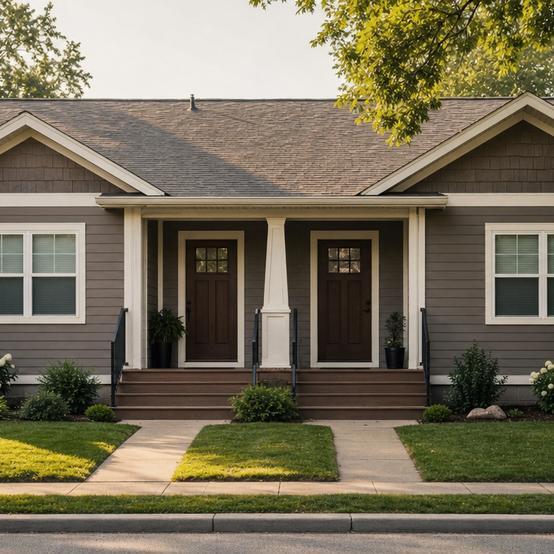
Selling rental property with tenants: how it affects your buyer pool
Most buyers shopping for a home to live in want to know when they can move in. If your tenant has time left on their lease, that’s a factor in what those buyers are willing to offer and whether they move forward.
This affects who’s likely to make an offer at all. Buyers most comfortable with a tenant-occupied property are typically investors, people purchasing for rental income rather than a place to live.
Showings work a little differently too. Getting your tenant’s cooperation for repeated visits takes some coordination.
Your options if you want the home vacant before closing
If you’d prefer the property to be empty when it closes, a few paths can get you there:
- Talk to your tenant early. Some tenants are open to leaving before their lease ends, especially if there’s something in it for them. Offering to cover some moving costs or ending the lease without penalty can go a long way.
- Wait for the lease to expire. If the end date isn’t too far out, it may be worth holding off on listing until the tenant has moved on.
- Check what your state allows on month-to-month arrangements. If your tenant isn’t locked into a fixed-term lease, review what notice is required in your state and plan the timeline from there.
- Negotiate a payment for early move-out. Some landlords and tenants work out a one-time payment in exchange for the tenant agreeing to leave before their lease is up. It’s a negotiated agreement, not a legal requirement.
Whatever direction you’re considering, it’s worth checking with a local attorney before you make any commitments about timing. Tenant rights and notice requirements vary significantly by state.
Selling a tenant-occupied property to a cash buyer
Cash home buyers are often a natural fit for tenant-occupied properties. They’re typically purchasing for investment rather than occupancy, so the existing lease works with their plans. In some cases, an investor sees a tenant already paying rent as a plus, not a problem. The trade-off is price: cash offers typically come in below what the home might bring on the open market.
Selling a house with tenants in place has its own timing considerations, from notice periods to closing dates.

Frequently asked questions
It’s when a landlord offers a tenant payment to agree to leave the property before their lease is up. The tenant gets money toward moving costs or some other arrangement; the landlord gets a vacant home ahead of schedule. It’s a negotiated agreement between the two parties, not a legal requirement.
Often, yes. Cash home buyers are frequently investors who are comfortable purchasing a rental property with a tenant already in place. They’re not planning to move in, so the existing lease works with their plans. In some cases, a tenant already paying rent can make the property more appealing to them.
Usually, not simply because you want to sell. If your tenant has a fixed-term lease, you generally must honor the lease through its end date, even if you sell the property. A month-to-month tenancy may give you more flexibility, but you typically still need to provide the notice required by your state.
Tenant protections and eviction laws vary by location, and selling the property does not automatically end a tenant’s rights. Before asking a tenant to leave, check your lease and consult a local attorney to understand the rules that apply to your situation.
In most states, yes, but you’re generally required to give your tenant advance notice before entering for showings. The required notice period varies by state, typically between 24 and 48 hours. It’s worth reviewing your state’s rules or talking to a local attorney before scheduling visits.
Not necessarily. A tenant with a fixed-term lease typically has the right to stay until the lease ends, regardless of who owns the property. A tenant on a month-to-month agreement can typically be given written notice to vacate, but the required notice period depends on your state.
Yes. Selling a tenant-occupied property is allowed. When the sale closes, the existing lease transfers to the new owner, who steps in as the new landlord. The tenant’s rights under that lease stay in place.