


It’s not required, but it’s worth consulting a real estate attorney in your state, particularly if the mold is extensive or has already been the subject of a prior disclosure dispute. State-specific disclosure rules vary and an attorney can help you understand your obligations.
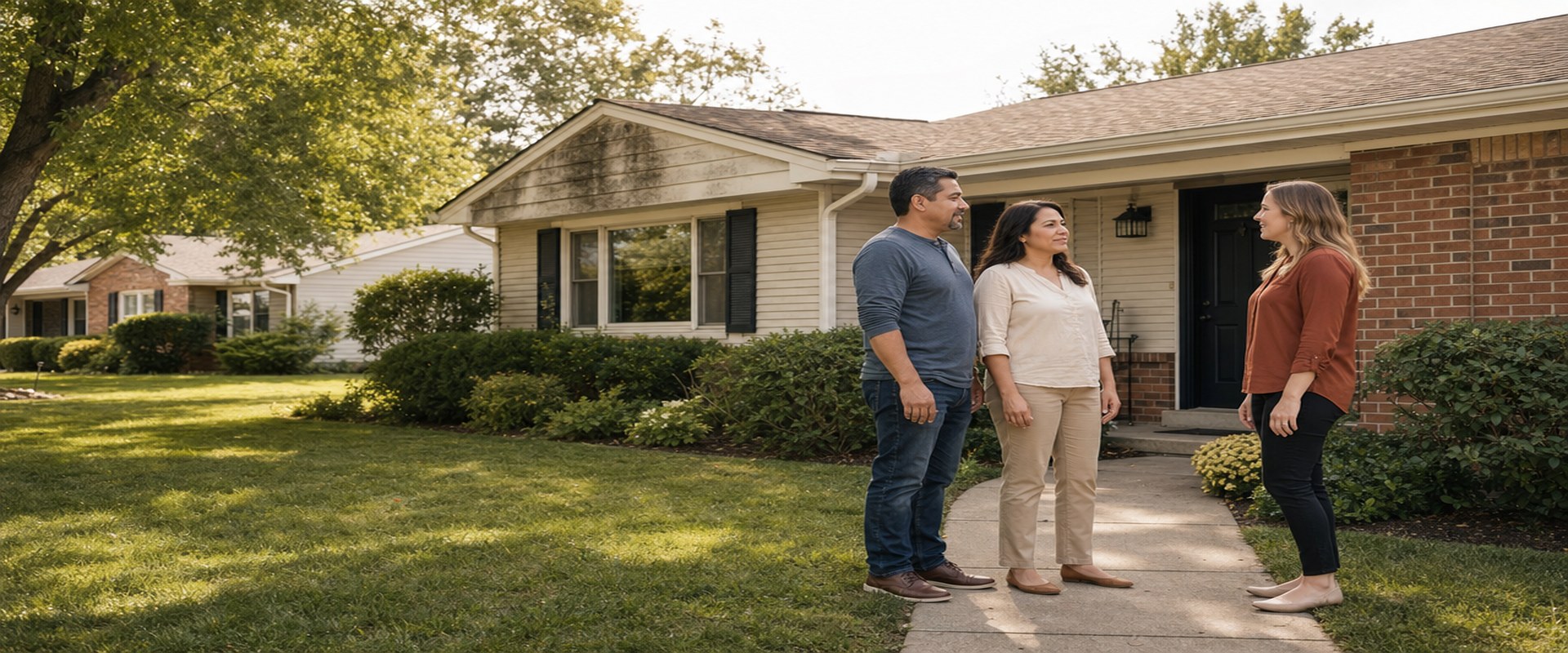
Sell a house with mold or structural issues as is
Mold can significantly slow down a home sale.

What does mold mean for a home sale?
A lender will typically require a mold inspection, and if the inspector finds active growth, the lender often won’t fund the loan until remediation is complete. That puts the cost and the delay entirely on you. We connect you with cash home buyers who can purchase your property in almost any condition, mold included, without requiring remediation before closing, so you can sell fast.
Mold is something you’re required to disclose in virtually every state before listing a home for sale. Failing to disclose known mold can expose you to a post-closing claim, even in an as-is sale. But disclosure doesn’t kill the deal. It tells the buyer what they’re taking on, and the offer reflects that.
Where mold becomes a dealbreaker is with financed buyers. Lenders typically require all of the following before they’ll fund a loan:
 A professional mold inspection
- A written remediation plan if active growth is found
- Proof of completed remediation before the loan closes
Mold remediation isn’t cheap, and costs climb fast when structural damage is involved. Depending on the scope of the damage, the process can take anywhere from a few weeks to several months. Black mold in wall cavities or HVAC systems often requires removing and replacing entire sections of the structure.
A cash home buyer isn’t bound by the same requirements. They factor the remediation cost into the offer and take on the work after closing, letting you sell the property in its current condition.
Can you sell a house with mold?
In most cases, yes. Your only obligation is to disclose any known mold. What happens after that depends on how the buyer is financing:
- Cash buyer: No lender requirement means no mandatory inspection or remediation before closing. The buyer accepts the current condition of the house, and the offer reflects it.
- Financed buyer: Mold found in an inspection will typically trigger lender requirements. The deal often stalls or falls apart if remediation can’t happen before closing.
Either way, selling as is doesn’t remove your disclosure obligation. The buyer accepts the property in its current condition, including the mold, but you still must disclose what you know. An as-is contract does not protect you from a post-closing claim for undisclosed defects.
If you need to sell without doing remediation first, a cash home buyer is typically your most straightforward path. If your mold situation has led to code violations or liens, that’s worth addressing directly too.
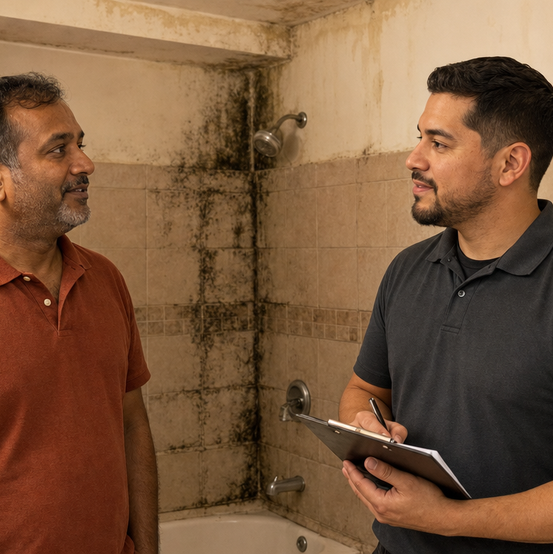

Selling a house with structural issues
Water damage that causes mold often causes structural damage. Rotted framing, damaged subfloor, and compromised sheathing frequently accompany a serious mold problem. A cash home buyer can typically purchase a house with:
- Foundation cracks or settlement
- Water-damaged framing, subfloor, or joists
- Damaged or deteriorated roofing that has allowed moisture intrusion
- Rotted siding or windows
- Compromised structural members from long-term moisture exposure
The offer accounts for the condition of the home. What you’re selling is the property as it stands today, not what it could be after repairs are made.
How it works
A mold situation or structural problem doesn’t change the basic steps. What it does change is the type of buyer you’re working with. Here’s what happens once you request an offer from us.

STEP 01
Request your free cash offer
Tell us about the house, including where the mold or damage is.

STEP 02
Schedule a property visit
A cash home buyer sees the property as it is, with no remediation or cleanup first.

STEP 03
Review your offer
The repair work is already factored in, so take your time and decide with no pressure.

STEP 04
Close on your schedule and get your funds
Pick a closing date without waiting on remediation.

Why sell your house with mold with SellMyHouse.co
A mold problem creates real pressure: the longer you wait, the more the damage spreads, and a traditional listing makes the timeline longer. Here’s what’s different about a cash sale.
- No remediation required before closing. Traditional lenders require professional remediation before funding the loan. A cash home buyer purchases the property as is and handles it after closing.
- No inspection contingency that can kill the deal. With a financed buyer, the lender has final say on mold findings. A cash sale doesn’t depend on a lender’s approval, so there’s no mandatory inspection contingency.
- We pay typical closing costs, and there are no commissions. With remediation already weighing on your equity, a cash sale keeps more of what you have left.
You don’t have to fix the mold before you can move forward. A cash sale lets you move forward on your timeline, in the property’s current condition. If your house has also been sitting vacant for a while, mold is often part of that picture too.
Get My Cash OfferFrequently Asked Questions
Do I need to hire an attorney to sell a house with mold?
Will a cash buyer purchase a house with structural damage too?
In most cases, yes. Cash home buyers in our network often purchase properties with foundation issues, water-damaged framing, or other structural problems. The offer accounts for the repair cost.
Can I sell a house with black mold?
In most cases, yes, especially to a cash home buyer. Black mold is a serious defect that must be disclosed. It often requires substantial remediation that a lender won’t waive. A cash buyer can purchase the property as is and take on the remediation themselves.
How much does mold remediation cost?
Costs vary widely depending on the scope and location of the mold. Minor surface mold may cost a few hundred dollars to remediate. Mold in wall cavities, HVAC systems, or structural members can cost $10,000 to $30,000 or more. A licensed mold inspector in your area can give you an accurate estimate.
What happens to mold during a traditional home sale?
A buyer’s lender will typically require a mold inspection as part of the financing process. If active mold is found, the lender usually requires a written remediation plan and proof of completed remediation before funding the loan. This can delay or kill the sale.
Do I have to disclose mold when selling a house?
Yes. Mold is a material defect and must be disclosed in virtually every state. Selling as is does not eliminate your disclosure obligation. Failing to disclose known mold can expose you to a post-closing legal claim.
Can you sell a house with mold without fixing it?
In most cases, yes, if you’re selling to a cash home buyer. A cash buyer has no lender requiring remediation before the loan funds. You must still disclose known mold to any buyer. The offer will reflect the condition of the house.