
Probably not. Standard homeowner’s policies often limit or exclude coverage after a property has been vacant for 30 to 60 days. It’s worth a quick call to your insurance agent to check your specific policy and see if a vacancy endorsement makes sense.
Sell a vacant or abandoned property fast
Every month a house sits empty, it costs you money.
Why a vacant property is worth acting on now
A vacant house doesn’t stay the same. It deteriorates. Pipes freeze and burst, the grass grows until the city cites you, and the insurance company sends a letter about vacancy exclusions.
Those costs add up until the house is sold. A cash home buyer can typically purchase a vacant or abandoned property as is, close faster than a traditional sale, and end the carrying costs.
Get My Cash OfferWhy vacant properties are hard to sell the traditional way
A vacant house creates problems for a traditional listing that don’t apply to an occupied home:
 Vacant properties are harder to insure. Standard homeowners policies often exclude or limit coverage after the home has been unoccupied for 30 to 60 days. If damage occurs, you may not have coverage.
- Lenders scrutinize vacant homes. A buyer’s mortgage lender may require proof that the property is secure, winterized, and free of open code violations before funding the loan.
- The property condition may decline during the listing period. Every week of showings is another week the house sits unoccupied, and long-term neglect can lead to mold growth, forcing you to sell a house with mold, which is another problem a lender will flag before funding a loan.
- Municipalities often actively monitor vacant properties. Some cities register them, charge fees, require inspections, or cite owners for violations.
A cash home buyer isn’t relying on a traditional mortgage lender, so none of those requirements apply. There’s nothing to prove, secure, or fix before you can close.
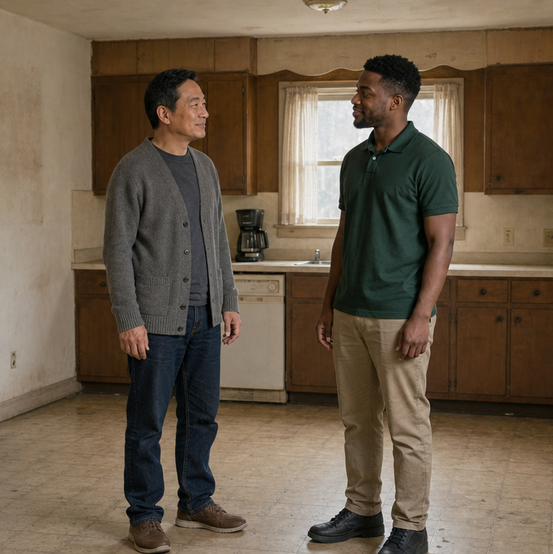
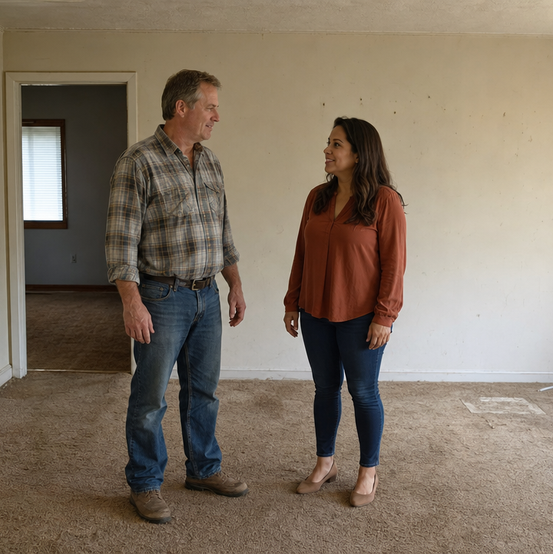
What counts as a vacant or abandoned property?
Vacant and abandoned aren’t the same thing, though they often go together:
- Vacant: A property is considered vacant when it’s unoccupied, but the owner is known and accessible. Maybe you inherited it, moved out before selling, or a tenant left.
- Abandoned: The owner hasn’t been maintaining or paying taxes on the property. In some municipalities, long-term abandonment can trigger a formal process.
Both vacant and abandoned properties can typically be sold to a cash home buyer. If you need to sell a house with code violations or liens, those are usually resolved at closing from the sale proceeds.
Common reasons people own vacant properties
People end up with vacant properties for all kinds of reasons, including:
- An inherited house: You don’t live nearby and can’t manage the property from a distance.
- A house you moved out of: You moved before the property sold, and it’s been sitting empty.
- A rental property: A tenant moved out and left the house in poor condition.
- A property in probate: The house is tied up in an estate and hasn’t sold yet.
- A house that needs major repairs: The property needs more work than you’re able or willing to take on.
Whatever the reason, a vacant house can continue to cost you money through taxes, insurance, utilities, and maintenance. Selling the property can help you move on from those ongoing costs.
Get My Cash Offer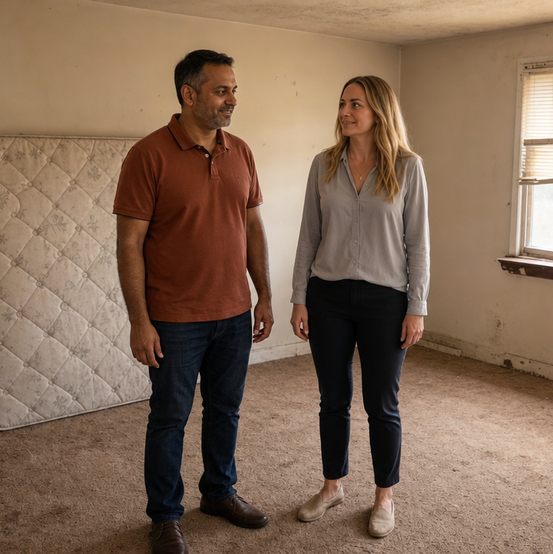
How it works
Getting a vacant property sold shouldn’t be another complicated project. Here’s what typically happens once you reach out.

STEP 01
Request your free cash offer
Tell us about the property, even if you live out of town.

STEP 02
Schedule a property visit
A cash home buyer walks through the empty house as it is, with no staging or cleanup first.
STEP 03
Review your offer
Look it over from wherever you are, with no pressure to accept.

STEP 04
Close on your schedule and get your funds
Pick a closing date and stop paying to keep an empty house.
Why sell a vacant property with SellMyHouse.co
A vacant house is a liability that gets worse with time. Here’s what makes a cash sale different from a traditional listing.
- No repairs before closing. A vacant property that’s been sitting often needs work. A traditional buyer typically wants repairs done before closing. A cash home buyer purchases the property as is and handles repairs after closing. You don’t have to fix anything to sell.
- No lender-driven vacancy conditions. Mortgage lenders frequently add conditions to loans on vacant properties, including winterization requirements, security measures, or mandatory inspections. A cash sale doesn’t depend on a traditional mortgage lender, so none of those conditions apply.
- Carrying costs stop at closing. Property taxes, insurance, utilities, and maintenance don’t pause while your house is listed. A cash sale that closes faster means fewer months of costs on a property you’re no longer using.
- We pay typical closing costs, and there are no commissions. On a property that’s been costing you money, keeping more of the sale price makes a real difference.
- One walkthrough instead of a parade of showings. Staging and showing a vacant property is its own project. A cash home buyer typically conducts one walkthrough, makes an offer, and moves to close. You’re not managing a series of showings in a house no one lives in.
A vacant property doesn’t get easier to manage the longer it sits. A cash sale gives you a way to sell quickly and hassle-free.
Get My Cash OfferFrequently Asked Questions
Will my homeowner's insurance cover damage to a vacant house?
Does it matter how long the property has been vacant?
Not for a cash buyer. Whether the house has been empty for three months or three years, a cash home buyer can typically purchase it as is. Longer vacancy may mean more deterioration, which the offer will reflect.
What if the property has code violations or has been cited by the city?
A cash home buyer can often purchase a property with open code violations or liens. The violations may be resolved from the sale proceeds at closing or accepted by the buyer.
Can I sell an abandoned property I inherited?
In most cases, yes, once the property has been properly transferred to you through the estate. If the property is still in the deceased person’s name, it may need to go through probate first.
What happens to back taxes on a vacant property when I sell?
In most cases, delinquent property taxes are paid from the sale proceeds at closing before you receive your net amount. The title company handles the payoff as part of the closing process.
Can you sell a vacant house as is?
Yes. A cash home buyer typically purchases the property in its current condition. You don’t have to make repairs, clean it out, or stage it before closing.