
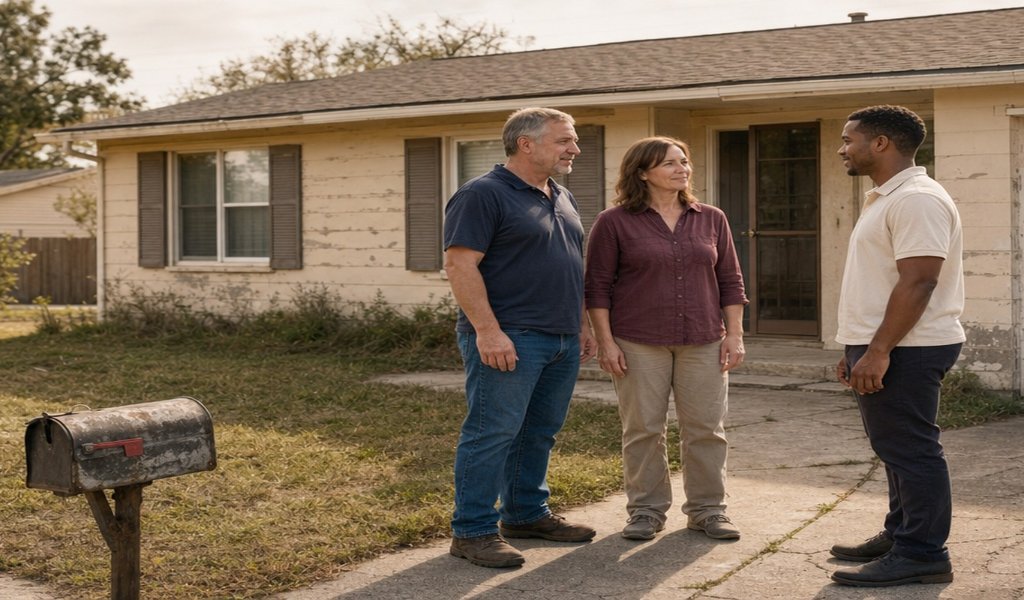
In some cases, yes. If you want to sell an entire portfolio, reach out and tell us what you have. A cash home buyer in our network may be able to purchase multiple properties, though each offer is based on the individual property’s condition and situation.
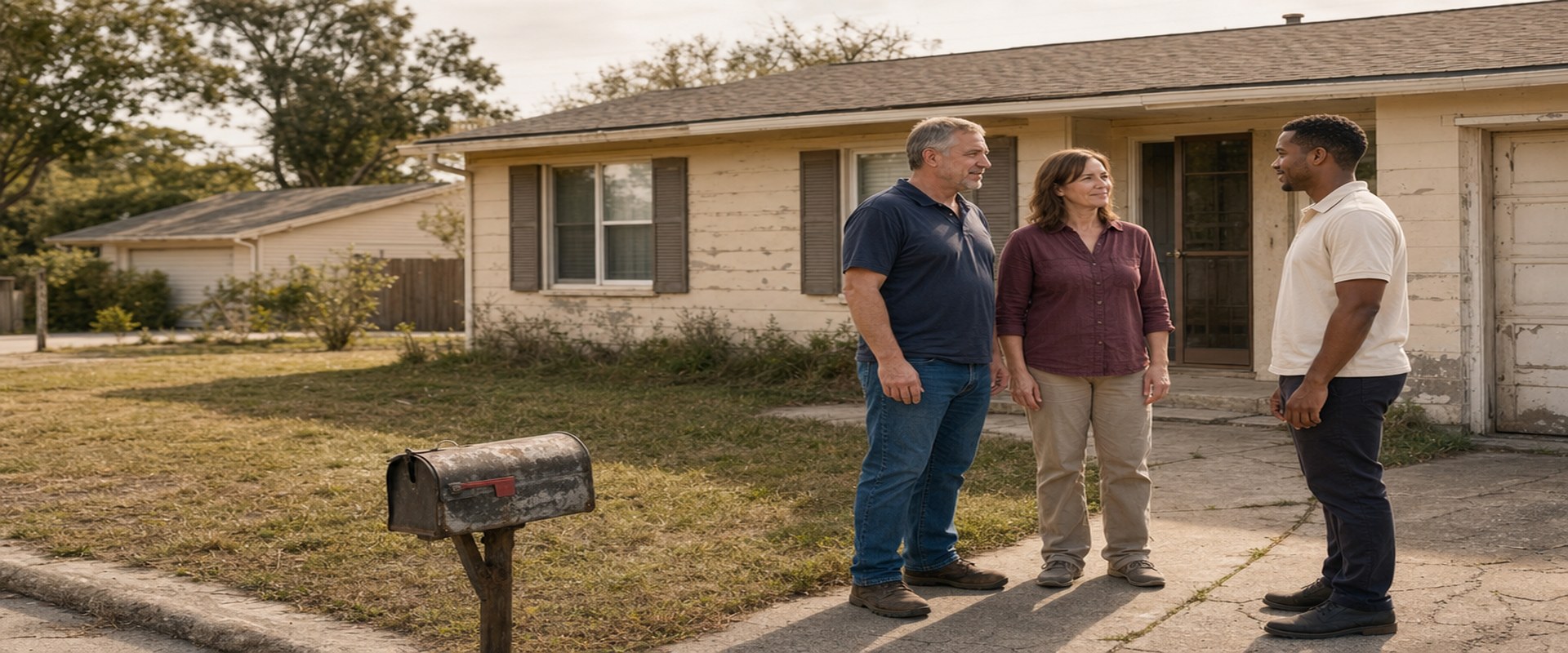
Tired landlord: Sell your rental property with tenants
You don’t have to keep running a property that’s costing you more than it’s giving back. We can connect you with cash home buyers who can purchase your rental property with tenants in place.

Why landlords decide to sell
Being a landlord can make sense for years, but circumstances can change. Maybe managing the property has become more time-consuming, the numbers no longer work, or you simply don’t want the responsibility anymore. Some common reasons landlords decide to sell include:
 A difficult tenant: Rent hasn’t been paid, or you’re having trouble getting the property back.
- Deferred maintenance: The property needs repairs or updates that you’re not ready to take on.
- Rising costs: Rent no longer covers the mortgage, taxes, insurance, repairs, and other expenses.
- Changes in local laws: New landlord-tenant rules or rent regulations have made the property harder to manage.
- A change in priorities: You’re getting older, have other things to focus on, or simply don’t want to be a landlord anymore.
Whatever your reason, it’s okay to decide that selling is the right choice. We can help you explore your options and find a path forward that works for you.
Can you sell a rental property with tenants in it?
In most cases, yes. A tenant’s lease doesn’t go away when you sell, but it doesn’t prevent the sale. The lease transfers to the new owner, who takes on the landlord relationship after closing.
What this means in practice:
- If the tenant is month-to-month, the new owner can typically give notice to vacate according to local rules after closing.
- If the tenant has a fixed-term lease, the new owner is generally bound by that lease until it expires.
- If the tenant hasn’t been paying, the new owner takes on the situation. A cash home buyer purchasing a property with problem tenants typically factors that into the offer.
You don’t necessarily have to evict your tenants before selling. In some cases, a cash buyer can purchase the property with tenants in place and work out the next steps with them after closing. Because landlord-tenant laws vary by state and city, it’s a good idea to talk with a local real estate attorney about your specific situation.
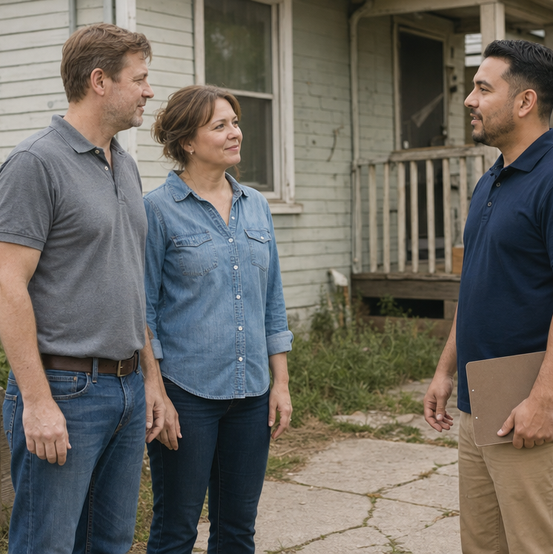
Selling a rental property with deferred maintenance
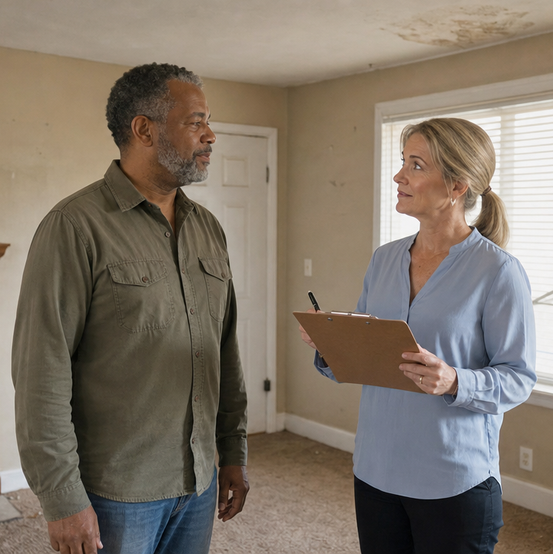
Most rental properties have some level of deferred maintenance, especially if a difficult tenant situation has made access for repairs complicated. A cash home buyer typically purchases the property as is. You’re not required to make repairs before closing. The offer reflects the condition, and the buyer takes on the work after the sale.
If your property also has code violations or unpaid liens from deferred maintenance, selling a house with liens or code violations is also possible.
How it works
Selling a rental property doesn’t have to involve months of repairs and showings with tenants still living there. Here’s what happens once you reach out.

STEP 01
Request your free cash offer
Tell us about the rental, including whether tenants are living there.

STEP 02
Schedule a property visit
A cash home buyer tours the property as it is, at a time that works around your tenants.

STEP 03
Review your offer
Compare it to what the rental is costing you, with no pressure to accept.

STEP 04
Close on your schedule and get your funds
Pick a closing date and hand off the landlord duties for good.

Why sell your rental property through SellMyHouse.co
A rental property with tenant problems or deferred maintenance can be difficult to sell through the traditional market. A cash sale can give you another option without requiring you to resolve every issue before selling.
- You may not have to evict before closing. Depending on the situation, a cash buyer may be able to purchase the property with tenants in place, so you don’t necessarily have to wait for an eviction before moving forward.
- No repairs or updates required. You don’t have to fix up the property before requesting an offer. Cash buyers typically purchase houses as is.
- We pay typical closing costs, and there are no commissions. You won’t have to pay an agent’s commission, which can help you keep more of the sale proceeds.
If managing the property has become more work than it’s worth, selling can give you a way to move on without taking on more repairs, tenant issues, or selling costs.
Frequently Asked Questions
Can I sell multiple rental properties at once?
What if my rental property needs major repairs?
A cash home buyer typically purchases as is. You’re not required to make repairs before closing. The offer reflects the property’s current condition.
Can I sell if the property has code violations or an open lien?
In most cases, yes. A cash home buyer can often purchase a property with code violations or open liens. These are typically resolved at closing through the sale proceeds.
What if the tenant stops paying rent during the sale process?
A cash sale typically closes faster than a traditional listing. The fewer months between accepting an offer and closing, the less unpaid rent accumulates. A cash buyer purchasing a property with a non-paying tenant will factor that into the offer.
Do I have to tell my tenant I'm selling?
State and local laws vary, but most jurisdictions require the landlord to provide some form of notice to tenants before or during a sale. A real estate attorney in your area can tell you what’s required where your property is located.
Can I sell my rental property with tenants still living there?
In most cases, yes. The tenant’s lease transfers to the new owner at closing. A cash home buyer can often purchase the property with tenants in place, so in most cases you don’t have to evict first.