



The housing market in 2026: what sellers need to know
Published October 12, 2026
Key takeaways
 In the US housing market in 2026, mortgage rates have stayed in the mid-to-upper 6% range, which has shrunk the pool of buyers who can qualify.
- Home prices are mostly flat nationally, but some markets have softened while others still favor sellers.
- Cash home buyers don’t rely on traditional mortgage financing, so rates and buyer demand don’t shape the process the same way, though cash offers are typically below open-market value.
The 2026 housing market is slower than most sellers have been used to. High mortgage rates have kept many buyers on the sidelines, and the buyers who are active have more room to negotiate than at any point since before the pandemic. If you’re thinking about selling, here’s what’s actually happening and what it means for you.
Where mortgage rates stand in 2026
Mortgage rates have stayed in the mid-to-upper 6% range for most of 2026 and are approaching 7%, according to Reuters and the Wall Street Journal. Forecasters who predicted rates would fall significantly this year have had to revise those expectations. Annual averages for 2026 are now projected around 6.4%.
For sellers, the rate environment matters because it directly affects how many buyers can qualify for a loan at a given price. When a buyer’s monthly payment on a $400,000 home is several hundred dollars higher than it was 3 years ago, fewer people can afford to buy. That shrinks the pool of potential offers on any given listing.
Housing market 2026 predictions: what’s happening to home prices
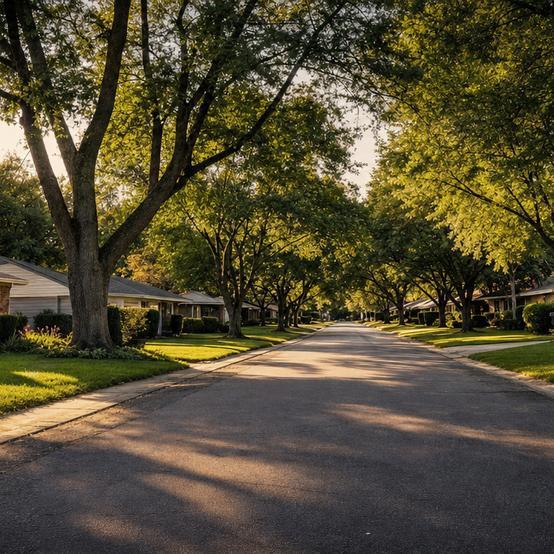
The national median home value sits around $368,000 as of August 2026. Prices are slightly up for the year, with forecast pegging year-over-year growth at about 1.2%. J.P. Morgan Global Research expects home prices to remain flat in 2026 before rising 3% in 2027.
This is a very different environment from 2020 to 2022, when prices rose sharply year over year in most markets. Prices haven’t crashed, but they’re not climbing the way sellers have gotten used to. In some metros, particularly in Texas, Florida, and Tennessee, prices have softened. In others, like parts of the Northeast, sellers still have the upper hand.
Why the market feels slow even with limited inventory
One of the defining features of the 2026 housing market is the disconnect between supply and demand. The housing market data tells a consistent story: many homeowners who locked in mortgage rates below 4% in 2020 and 2021 are reluctant to give up that payment by selling and buying something new at current rates. That has kept a lot of potential inventory off the market.
But buyer demand has fallen sharply enough that the homes that are listed are sitting longer. Contracts signed on existing homes hit multi-year lows in 2026, with industry data pointing to the weakest buyer activity in more than a decade. More homes relative to active buyers means the buyers who do show up have options, and they’re using that leverage.
What this market means if you list on the traditional market
Sellers listing on the traditional market in 2026 are seeing a few consistent patterns:
- Buyers are negotiating harder. With less competition from other buyers, the person making an offer on your home knows they have time. Price reductions after inspection are more common, and contingencies that got waived during the pandemic years are returning.
- Condition and price matter more than ever. A home that’s priced right and in good shape still sells. One that’s overpriced or needs significant work tends to sit, and homes that sit invite lower offers and more questions.
- Timelines are longer. The combination of fewer buyers and more cautious financing means the average sale takes longer from listing to closing than it did 2 to 3 years ago. For sellers with flexible timelines, that’s manageable. For sellers who need to close by a specific date, it adds pressure.
What a slower market means for sellers working with a cash buyer
Cash home buyers set their offers based on the property itself, not on what a traditional mortgage lender will approve. They aren’t directly affected by what rates are doing or whether buyer demand is up or down nationally. That makes the process very different from listing on the traditional market.
You don’t need to wait for the right buyer to qualify for a loan, get through an appraisal, or meet a lender’s repair requirements. The offer reflects the home’s condition and location, and you decide whether the number works for your situation.
Sellers behind on mortgage payments and sellers facing foreclosure often can’t afford to wait for the traditional market to improve. In a year when traditional sales are slow and buyer financing is tight, the cash path can remove those variables entirely.
Cash offers are typically below what a well-prepared listing might fetch in a normal market, even a slow one, since the buyer is factoring in speed and the property’s condition. For sellers who can’t wait out current conditions, that trade-off is often worth it. For sellers with flexibility, waiting for rates to ease or holding out for the right buyer may still make more sense.
Frequently asked questions
Not in the same way it affects the traditional market. Cash home buyers don’t depend on mortgage financing, appraisals, or the size of the buyer pool. Their offers reflect the property’s condition and location, not what rates are doing or how many traditional buyers are active. That’s part of what makes the cash buyer path different from listing on the open market.
The main driver is mortgage rates. When rates rise, fewer buyers can qualify to borrow what they need to buy at current prices. Many homeowners who would otherwise sell are also holding on to mortgage rates below 4% from 2020 and 2021, which has kept some supply off the market. The result is fewer buyers and fewer motivated sellers meeting in the middle.
That depends on your local market and your situation. Some markets still favor sellers, particularly in parts of the Northeast where inventory remains tight. In markets with more supply relative to buyers, sellers are seeing longer timelines and more negotiating pressure. If you need to sell and can’t wait for conditions to shift, the question is which path gives you the most control over your timeline and outcome.
Most forecasters expect prices to stay flat or rise modestly in 2026, not to fall significantly. Zillow forecasts around 1.2% year-over-year price growth. J.P. Morgan expects flat prices for 2026 with a 3% increase projected for 2027. Some markets have seen modest price softening, particularly in parts of the South and Southwest, while others remain relatively stable.
The 2026 housing market has been defined by high mortgage rates in the mid-to-upper 6% range, flat to modest home price growth, and the weakest buyer activity in more than a decade by some measures. Buyers who are active have more negotiating room than they’ve had in years, which has made the traditional sale process more challenging for sellers compared to the pandemic-era market.