


In most states, sellers can sign remotely or in advance. Confirm with your title company or closing attorney.
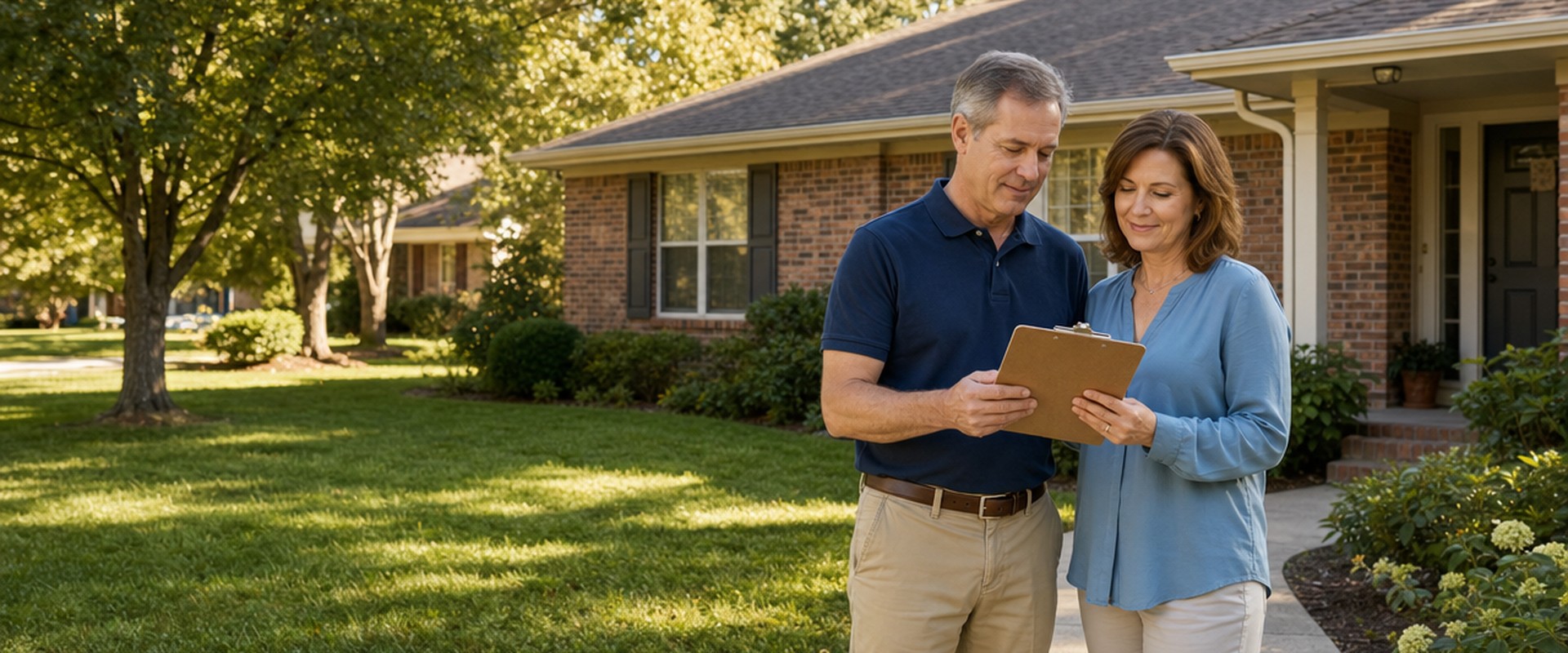
Home selling checklist: From decision to closing
Selling a house involves more steps than most people expect. This checklist walks you through every stage, from the initial decision through closing day, so you know what’s coming and when.

Step 1: Decide how you want to sell
 Determine your priority. Are you after maximum price, the fastest close, the least hassle, or some mix of all three?
- Evaluate your home’s condition. A home that needs significant work may net more through a cash sale than through a traditional listing, which requires costly repairs first.
- Research your local market. Find out whether it’s a buyer’s or seller’s market right now, and how long homes are typically sitting before they sell.
A full comparison of cash buyer, agent, and FSBO selling options can help you weigh the trade-offs before you decide.
Step 2: Get your finances in order
- Request a mortgage payoff statement to know exactly what you owe.
- Estimate your net proceeds using our net proceeds calculator.
- Understand your tax situation. If you’ve lived in the home as your primary residence for at least 2 of the last 5 years, you may exclude up to $250,000 ($500,000 for married couples) in capital gains.
- Factor in closing costs. Sellers typically pay 1-3% of the sale price in closing costs beyond any commissions.

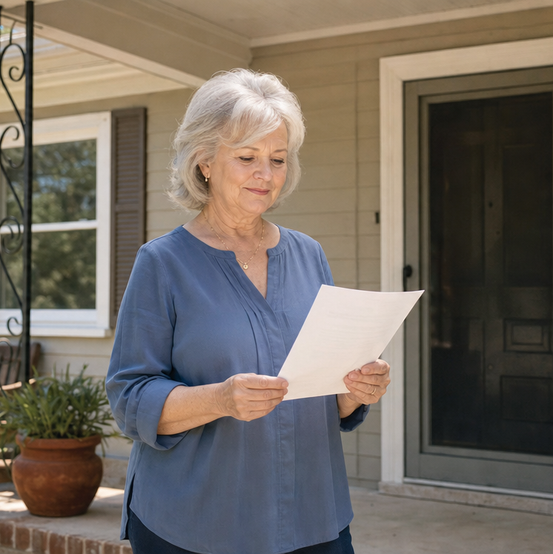
Step 3: If selling to a cash buyer
- Request an offer. Fill out a short form with your property details.
- Schedule the walkthrough. A buyer will visit the property, typically within a few days.
- Review the offer. Ask questions, take your time. No obligation to accept.
- Accept and choose your closing date. The title company handles the rest.
- Gather your documents: mortgage payoff info, property tax receipts, HOA documents (if applicable), and any warranties for major systems.
Step 4: If listing with an agent
- Interview at least 2-3 agents. Ask about their local sales history, marketing plan, and commission rate.
- Complete required disclosures. Most states require a written disclosure of known property issues before listing.
- Prepare the home: declutter, deep clean, make minor repairs, and improve curb appeal.
- Get professional photos taken before going live.
- Review and approve the listing before it goes on the MLS.
- Keep the home show-ready. Plan for 24-hour notice showings and occasional last-minute requests.
- Review all offers carefully. Consider price, contingencies, financing strength, and proposed closing timeline.
- Negotiate and accept an offer.

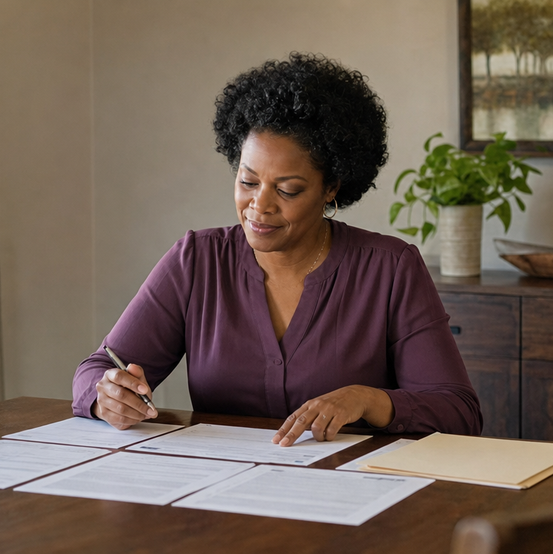
Step 5: Under contract
- Buyer’s inspection: expect a request for repairs or credits. Know what you’re willing to address.
- Appraisal (financed buyers): if the appraisal comes in below the agreed price, you may need to renegotiate.
- Title search: the title company checks for any liens or claims on the property.
- Provide HOA transfer documents (if applicable).
- Stay in contact with your agent or the title company. Delays often happen in this phase.
Step 6: Prepare to move
- Confirm your moving date once closing is scheduled.
- Arrange movers or a moving truck at least 2-3 weeks in advance.
- Notify your utility providers, USPS, bank, and any subscriptions of your address change.
- Cancel or transfer your homeowner’s insurance to your new address effective on closing day.


Step 7: Closing day
- Prepare for the buyer’s final walkthrough of the property (typically 24 hours before closing).
- Bring a government-issued photo ID.
- Review your closing statement or disclosure prior to closing.
- Sign the documents and hand over keys.
- Funds are wired or disbursed to you, minus any payoff, fees, and closing costs.
Frequently Asked Questions
Do I need to be present at closing?
What documents do I need to sell my house?
You’ll typically need your mortgage payoff statement, property deed, disclosure forms, HOA documents (if applicable), and a government-issued ID for closing.
How long does the home selling process take?
A cash sale can often close in a matter of weeks. A traditional listing typically takes 30 to 45 days for the closing process itself, and that’s on top of however long the house sits on the market before finding a buyer.