
How cash home buyers determine their offer price
Published October 9, 2026
Key takeaways
 Cash home buyers typically base their offer on what the home could be worth after repairs, minus the cost of the work and their other expenses.
- Each buyer sets their own offer, so two buyers can look at the same house and come up with different numbers.
- Cash offers are usually below open-market value, but the costs of a traditional sale can narrow the gap.
Cash home buyers consider several factors when determining an offer, including the home’s condition, value, and the work it may need. Understanding how those factors come together can help you evaluate your offer with confidence.
It starts with the home’s current condition
When a cash home buyer looks at a property, they’re thinking about it differently than a traditional buyer would. They’re not picturing where the furniture goes. They’re considering the home’s current condition and what it may take to prepare it for its next owner.
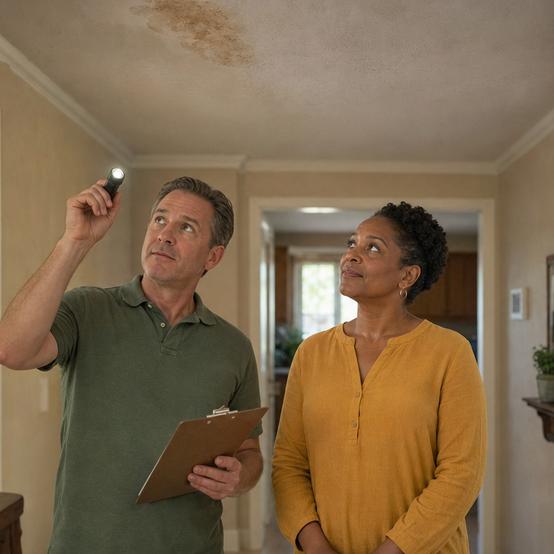
Cash home buyers purchase homes as is, so the condition of the property is an important part of determining the offer. A buyer considers what repairs, updates, or improvements the house may need and estimates what those projects are likely to cost. Those expected costs factor into the amount they’re able to offer.
For example, a house that needs a new roof, major plumbing work, or years of deferred maintenance will typically receive a lower offer than a house that only needs cosmetic updates. That’s not a judgment on the home or the seller. It’s simply a reflection of the work and expense the buyer may be taking on after the purchase.
How cash home buyers determine an offer
A cash buyer looks at several factors when deciding what they can offer for a house. The most important considerations typically include:
- The cost of repairs and updates. This is often one of the biggest factors. Buyers estimate the labor, materials, and time needed to address the property’s condition, and those costs can vary based on the scope of the work and the local market.
- What the home could be worth after repairs. Buyers look at recent sales of comparable homes in the area, particularly properties in better condition. This helps them estimate what the house could potentially sell for once the necessary work is complete.
- The cost of holding the property. A buyer may need to pay property taxes, insurance, utilities, maintenance, and other expenses while they own the house. The expected time to complete the work and resell the property can factor into the offer.
- The buyer’s other costs and investment goals. A cash buyer also considers closing costs, financing or other acquisition expenses, and the return they need for the investment to make financial sense.
There’s no single formula that every cash buyer uses. Two buyers could look at the same house and come up with different offers based on their estimates of the repairs, expected resale value, costs, and local market conditions.
Why cash offers are usually below open-market value
Cash offers are typically lower than what you might expect from selling a home on the open market. The difference reflects what the buyer is taking on after the sale, including repairs, updates, and other costs that a traditional seller would usually handle before or as part of the sale.
With a traditional sale, sellers typically prepare the house for the market, which may mean making repairs, updating worn areas, cleaning, or addressing issues that could affect the sale. Buyers are generally paying for a home that’s ready for them to move into, and many use mortgage financing to spread the cost of the purchase over time.
A cash buyer typically purchases the house as is and takes on the work themselves. They have to account for the cost of repairs and updates, along with the time and risk involved in completing that work before they can resell the property. Those costs are reflected in the offer.
In other words, a lower cash offer isn’t necessarily a lower-value option. You’re trading some potential sale price for the convenience of selling as is, without making the repairs and waiting for a traditional buyer.
What the comparison to a traditional sale often misses
When sellers compare a cash offer to what they might get on the open market, it’s easy to focus on the sale price. But a traditional sale comes with its own costs that don’t always get factored in.
- Getting the home ready to list. Most traditional buyers expect a home in good condition. Repairs, cleaning, and staging all take time and money.
- Agent commissions. These typically run around 5% to 6% of the sale price, split between both agents.
- Seller-paid closing costs. It’s common for sellers to cover a portion of closing costs in a traditional transaction.
- Carrying costs while the home is on the market. Mortgage payments, property taxes, insurance, and utilities keep running until the sale closes.
- The uncertainty of the process. Financing falls through. Inspections lead to renegotiation. Deals take longer than expected. All of that has a cost too.
When you subtract those real costs from the top-line number, the gap between a cash offer and what you’d see on the open market often looks smaller than it did at first.
Is a cash offer right for you?
A cash offer isn’t the right choice for every seller. If your home is in good condition, you have time to sell, and you’re comfortable with the traditional process, listing on the open market may be worth exploring.
A cash offer can also make sense in certain situations, especially if your home needs significant work, you have a tight timeline, you’ve inherited the property, or you’d rather avoid the repairs and uncertainty that can come with a traditional sale.
The offer is free to request, and there’s no obligation to accept it. Even if you’re still considering your options, knowing what a cash buyer is willing to offer can help you decide what makes the most sense for your situation.
Frequently asked questions
After a property visit, most cash home buyers can put an offer together fairly quickly. The timeline varies by buyer.
You’re never obligated to accept. If the offer doesn’t work for your situation, you can decline and explore other options. There’s no pressure and no cost to find out where things stand.
Most cash home buyers schedule a property visit before finalizing their offer. This lets them see the home’s condition firsthand and make sure their offer reflects what they’re taking on.
Typically, yes, because the buyer is taking the home as is and pricing in repair and resale costs. How much lower depends on the home’s condition, the local market, and how the buyer runs their numbers.
It varies by buyer and situation. Some buyers are open to conversation, especially if you have questions about how they arrived at their number. It’s always fair to ask.